
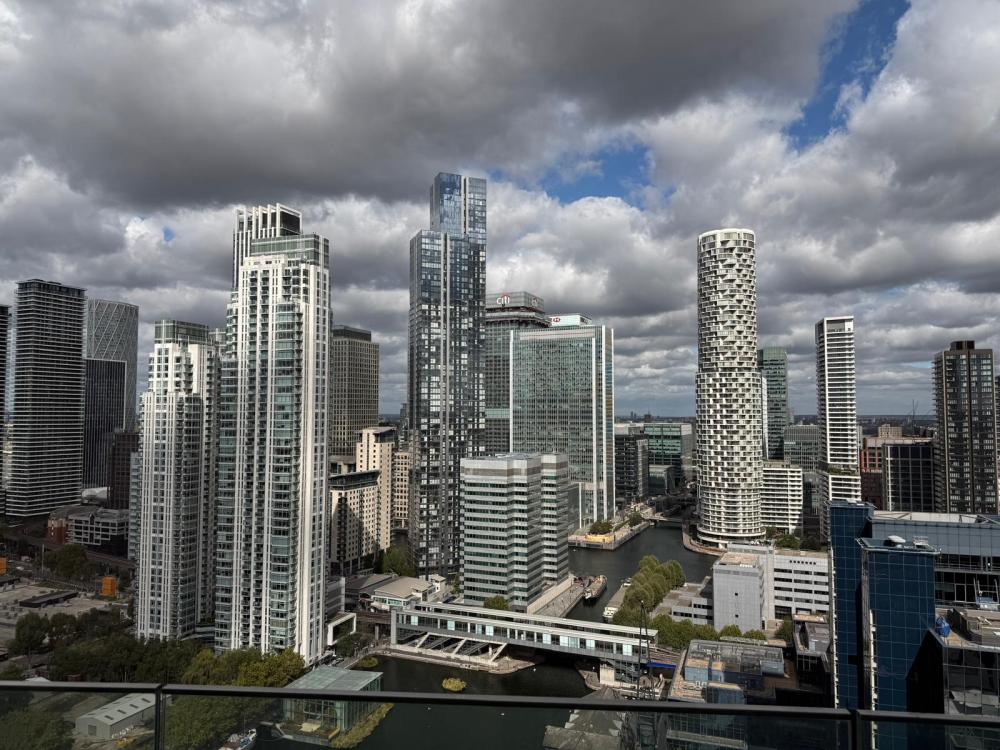
If your ventilation or air conditioning fails, it can quickly turn into a health, comfort, and compliance issue—especially in offices, residential blocks, and healthcare environments. ARC Facilities provides 24/7 emergency HVAC repair across Greenwich, South East London, and Greater London, with fast triage and clear communication from qualified engineers.
Call for urgent support if you notice:
Complete loss of ventilation or cooling/heating in occupied areas
Burning smells, repeated tripping, or electrical fault symptoms linked to HVAC equipment
Water leaks from fan coil units (FCUs) or air handling units (AHUs)
Sudden loud noise/vibration, fan failure, or overheating
Poor air quality complaints (stuffy rooms, condensation, mould risk)
MVHR (Mechanical Ventilation with Heat Recovery) systems are common in new builds and retrofits. When they fail, indoor air quality can drop quickly.
Common causes:
Isolator switched off / blown fuse
Control fault or failed power supply
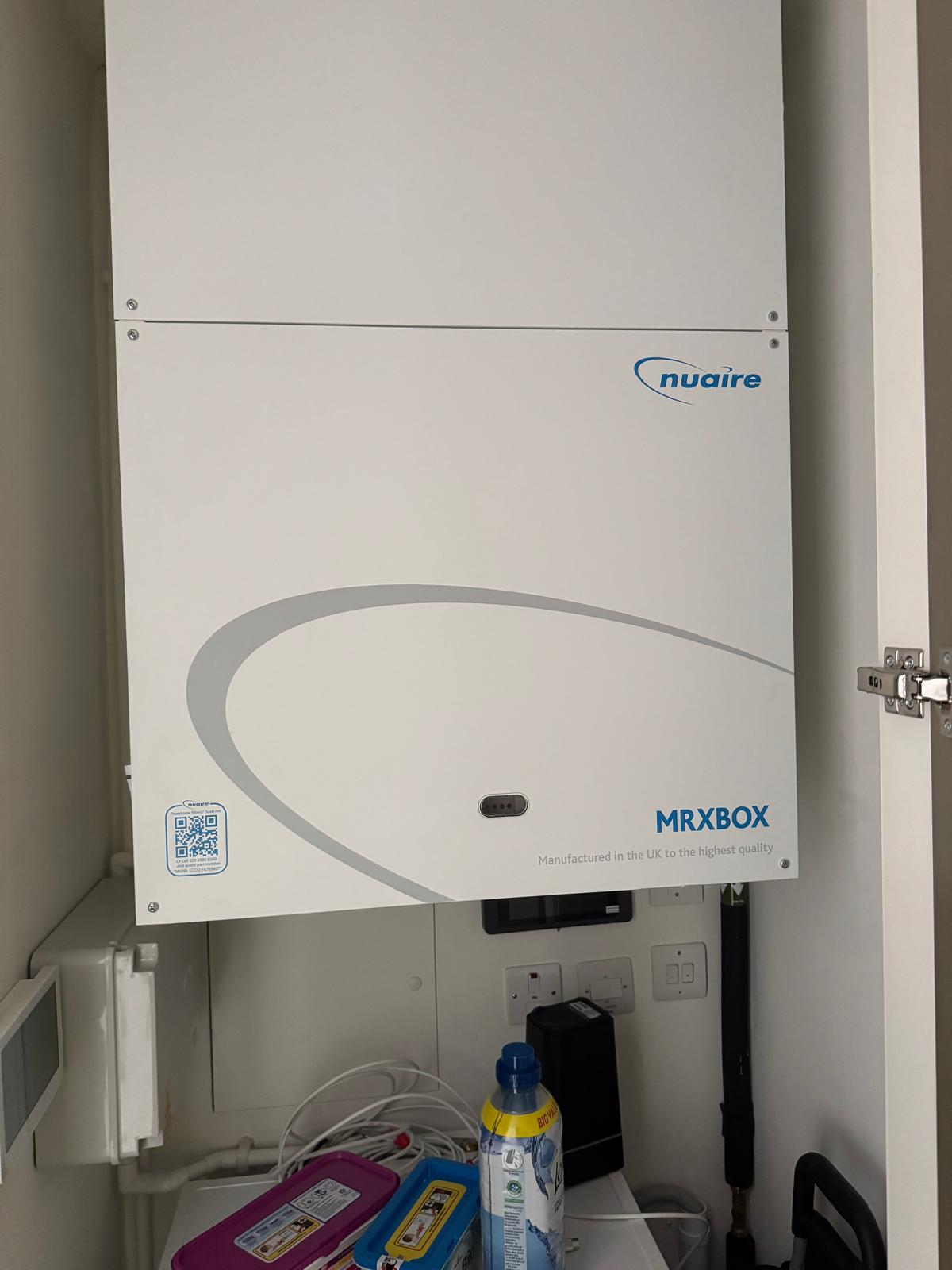
Fan motor failure
Fast fixes (safe checks):
Check the MVHR isolator switch is on
Check if the unit is showing any fault code on the controller
If safe to do so, confirm filters aren’t completely blocked
Common causes:
Worn bearings or failing fan
Loose mounting or ductwork issues
Blocked filters increase the strain
Fast fixes:
Reduce load by checking filters (replace if heavily clogged)
Book an urgent inspection to prevent full fan failure
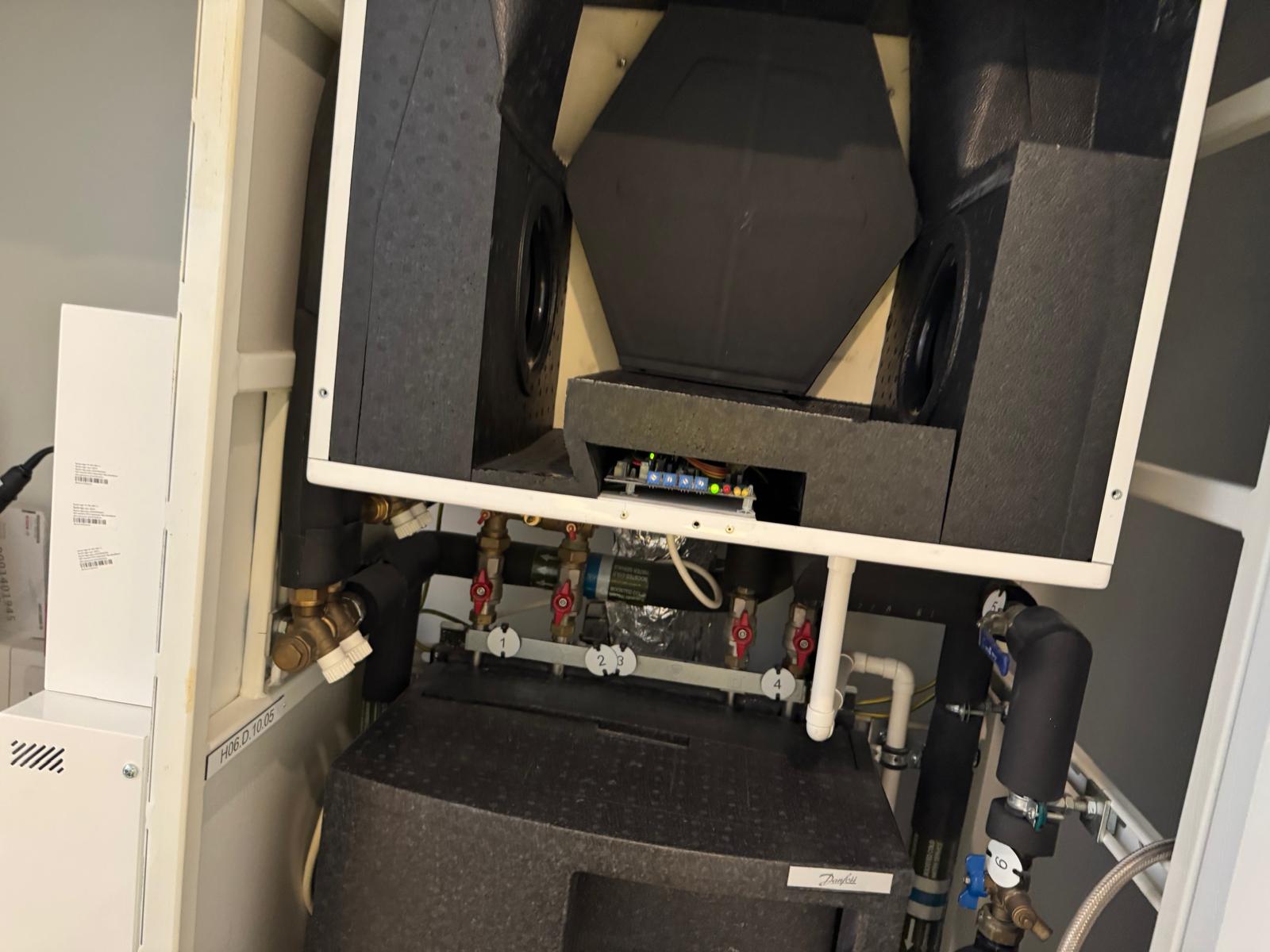
Common causes:
Blocked filters or valves
Duct restrictions
Incorrect settings after a power cut
Fast fixes:
Confirm boost mode isn’t stuck off
Check filters and visible vents for blockage
Arrange a service visit to test airflow and balance
FCUs are common in offices and mixed-use buildings. Failures can affect comfort quickly and can also create leak risks.
Common causes:
Blocked condensate drain
Frozen coil / defrost issue
Damaged tray or pipework
Fast fixes:
Switch the unit off to prevent further damage
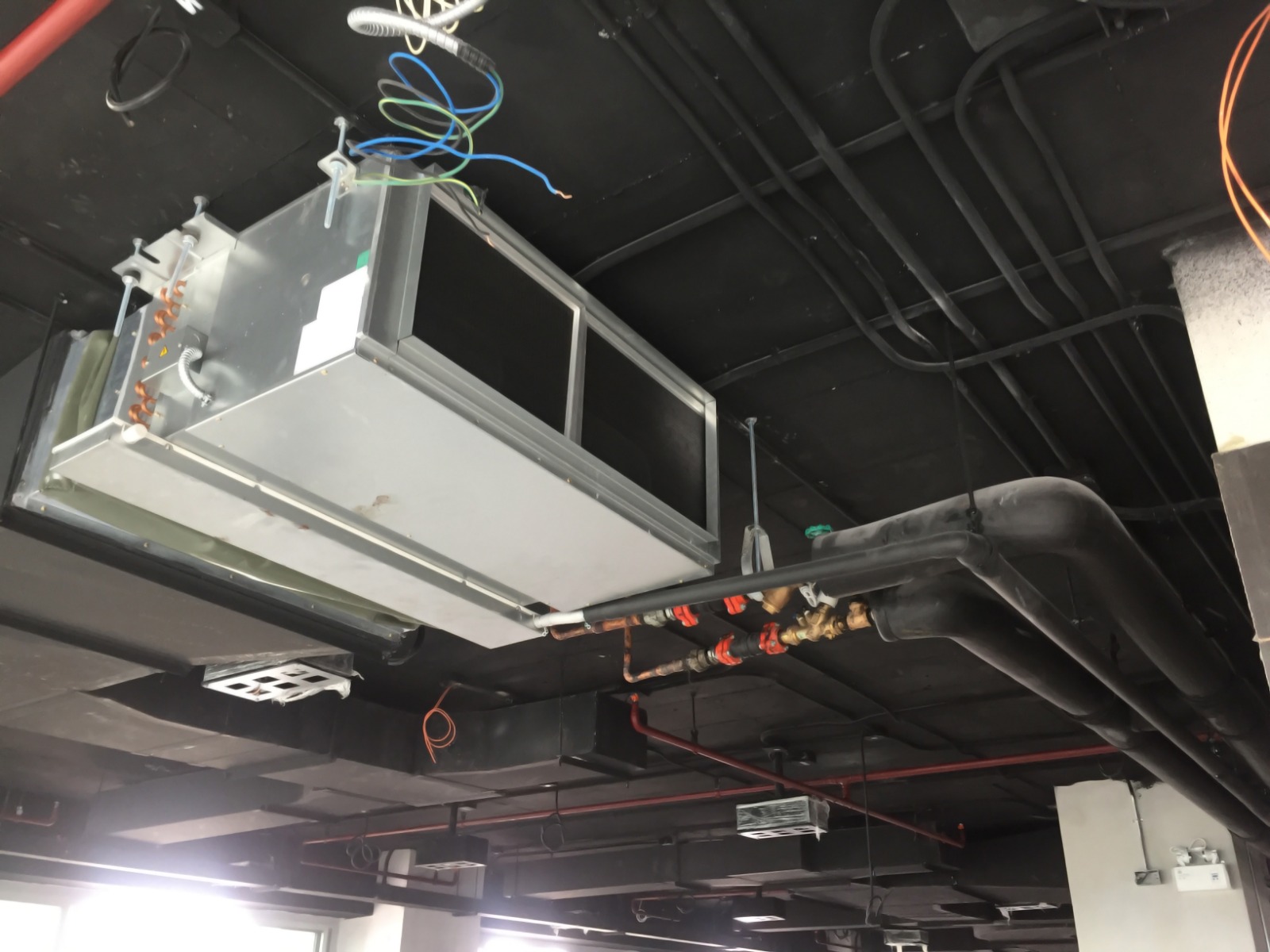
Contain the leak and protect the electrics below
Call for urgent attendance—leaks can escalate fast
Common causes:
Valve actuator failure
Control/BMS signal issue
Coil fouling or airflow restriction
Fast fixes:
Note whether the fan runs and if any error lights show
Record zone/room affected and time the issue started
Common causes:
Thermostat/controller fault
Power supply issue
Communication fault (BMS)
Fast fixes:
Check local controller power (if accessible)
Provide building management with any recent changes or outages
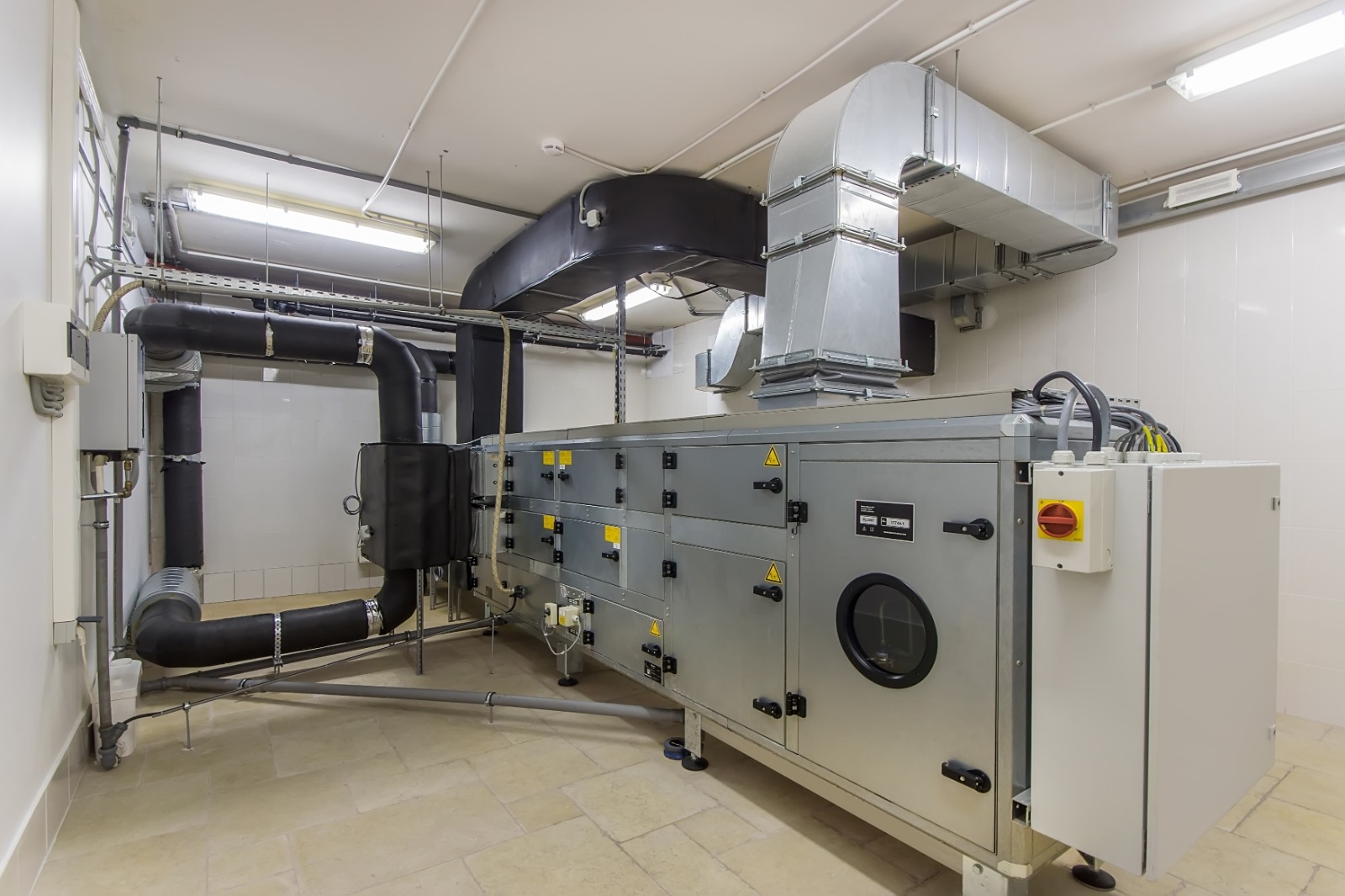
AHUs support whole floors or buildings—downtime can be serious.
Common causes:
Motor overload
Belt failure (belt-driven systems)
Electrical fault or safety interlock activation
Fast fixes:
Do not repeatedly reset trips—this can worsen damage
Capture any fault messages and note unusual sounds/smells
Common causes:
Filter blockage
Damper fault
Heat exchanger or coil issues
Fast fixes:
Check maintenance logs (last filter change)
Arrange urgent inspection to restore safe ventilation
To help us triage quickly, share:
Equipment type (MVHR / FCU / AHU) and brand/model (if known)
Symptoms (not running, leaking, noisy, poor airflow)
Any fault codes or controller messages
Site address and access details (plant room location, permits)
Whether the issue affects a single room, a floor, or the whole building
ARC Facilities is based in Greenwich (SE18) and supports urgent HVAC call-outs across:
Greenwich and South East London
Greater London
Essex and Kent (as required)
If you’re dealing with an urgent HVAC breakdown, we’ll prioritise attendance based on risk and impact, and keep you updated throughout.
In London, emergency attendance is typically prioritised for high-risk issues (loss of ventilation, leaks, electrical symptoms). Share the details above so we can triage accurately and respond as fast as possible.
Yes—MVHR is a common call-out for airflow issues, fan failure, and noisy units. We support diagnostics, repair, and servicing.
Yes. Many FCU/AHU issues are control-related. If you can share recent changes, alarms, and affected zones, it speeds up fault-finding.
Yes. Preventive maintenance reduces breakdowns and helps keep systems efficient, compliant, and reliable—especially for AHUs and multi-zone FCU setups.
If your MVHR, FCU, or AHU has failed and you need urgent support, contact ARC Facilities for 24/7 emergency HVAC repair in Greenwich, South East London, and Greater London.
Tip: If it’s safe to do so, take a photo of the unit label and any fault code on the controller before calling—this can speed up diagnosis