
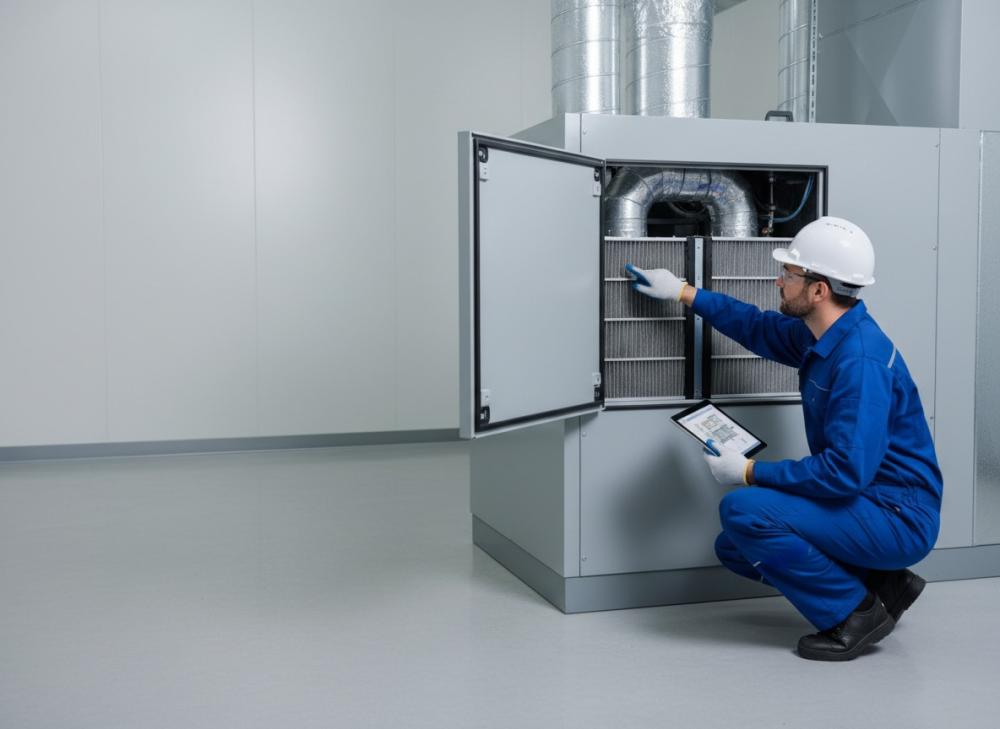
Keeping a commercial HVAC system reliable in London isn’t just about comfort — it’s about compliance, energy costs, indoor air quality, and avoiding expensive downtime. Whether you manage an office, healthcare site, retail unit, or mixed-use building, a planned maintenance approach helps you stay in control.
Commercial HVAC typically includes:
Air conditioning systems (split, VRF/VRV)
Air Handling Units (AHUs)
Fan Coil Units (FCUs)
Mechanical Ventilation and Heat Recovery (MVHR)
Extract and supply ventilation
Controls, sensors, and BMS interfaces
In London buildings, systems often run harder due to high occupancy, long operating hours, and air quality demands, which makes proactive maintenance even more valuable.
A reactive approach usually costs more. Small issues like blocked filters, worn belts, or failing fan motors can escalate into full system shutdowns.
Poorly maintained HVAC systems commonly waste energy through:
Dirty coils reducing heat transfer
Incorrect airflow and unbalanced systems
Faulty sensors causing overcooling/overheating
Leaks in ductwork or refrigerant lines
Even modest efficiency improvements can make a noticeable difference in London energy bills.
Commercial sites often need to demonstrate safe, well-maintained building services. Maintenance documentation and service reports can help support audits, landlord obligations, and internal compliance processes.
Ventilation performance affects staff wellbeing and productivity. Regular servicing helps keep airflow rates stable and reduces dust and contaminant build-up.
A strong plan is tailored to your building type, system age, and usage. At minimum, look for:
Planned preventative maintenance (PPM) visits (monthly, quarterly, bi-annual, or annual)
Filter checks and replacements
Coil and drain inspections/cleaning
Fan, motor, and belt checks
Electrical safety checks and tightening
Controls calibration and sensor verification
Airflow checks and balancing where required
Condition reporting with clear priorities (urgent / medium / monitor)
Service reports and maintenance history
Tip: If you manage multiple sites across London, ask for a consistent checklist and reporting format so you can compare performance across buildings.
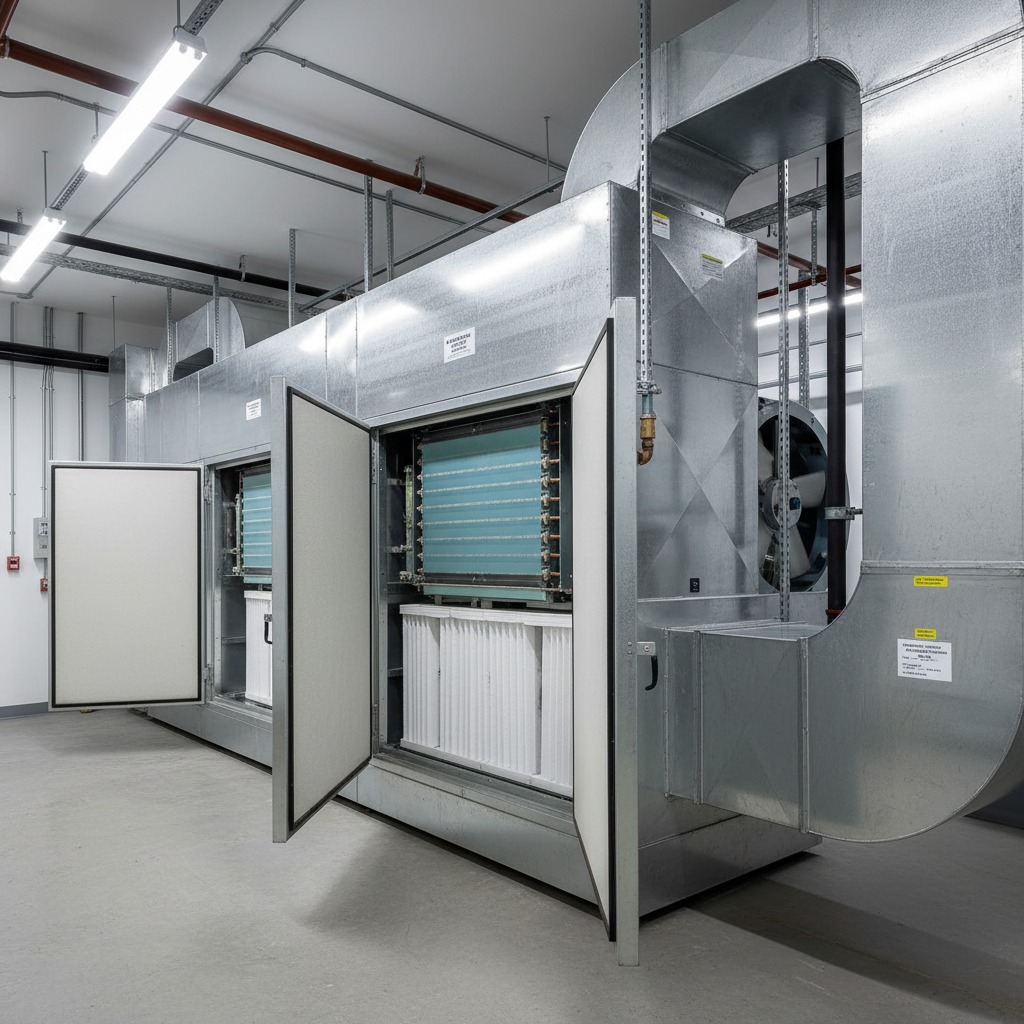
There’s no one-size-fits-all schedule, but common servicing frequencies in London include:
Quarterly: Higher-usage offices, healthcare, and public buildings
Bi-annual: Many standard commercial systems
Annual: Lower-usage sites or newer systems (with monitoring)
If your building experiences regular comfort complaints, high energy costs, or frequent faults, it’s usually a sign the maintenance frequency (or quality) needs upgrading.
FCUs not cooling/heating effectively
Noisy fans or vibration
Poor airflow and hot/cold spots
Blocked condensate drains causing leaks
Controls issues (incorrect scheduling, sensor drift)
MVHR systems losing efficiency due to filter and heat exchanger build-up
Catching these early is the difference between a quick fix and a disruptive repair.
When comparing providers, ask:
Do you provide planned maintenance and emergency response?
Can you service AHUs, FCUs, MVHR, and ventilation under one contract?
Will you supply clear service reports and maintenance history?
Are engineers qualified and insured for commercial environments?
Can you support energy efficiency improvements and retrofit advice?
If sustainability matters to your organisation, also ask whether the provider can advise on energy reduction measures and low-carbon upgrades.
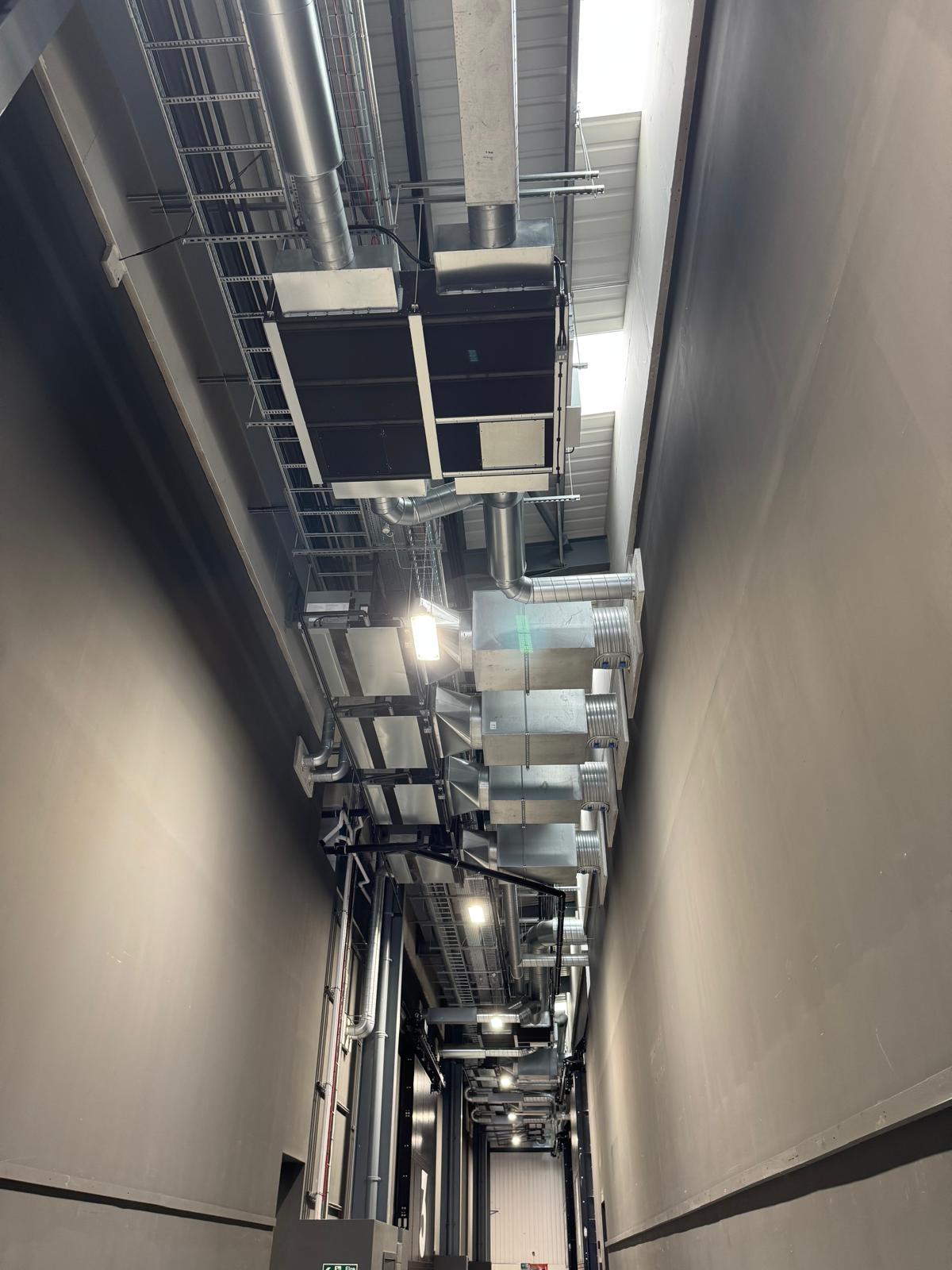
Site access details and operating hours
Known faults and comfort complaints
Asset list (make/model/locations if available)
Previous service reports
Any compliance requirements or landlord obligations
This helps engineers work faster and ensures you get a more accurate condition report.
If you’re looking for reliable commercial HVAC maintenance in London — including AHUs, FCUs, MVHR, and ventilation — a planned approach can reduce breakdowns, improve energy performance, and keep your building running smoothly.
Next step: Request a maintenance review and get a clear plan for your building’s HVAC servicing schedule, reporting, and response coverage.