
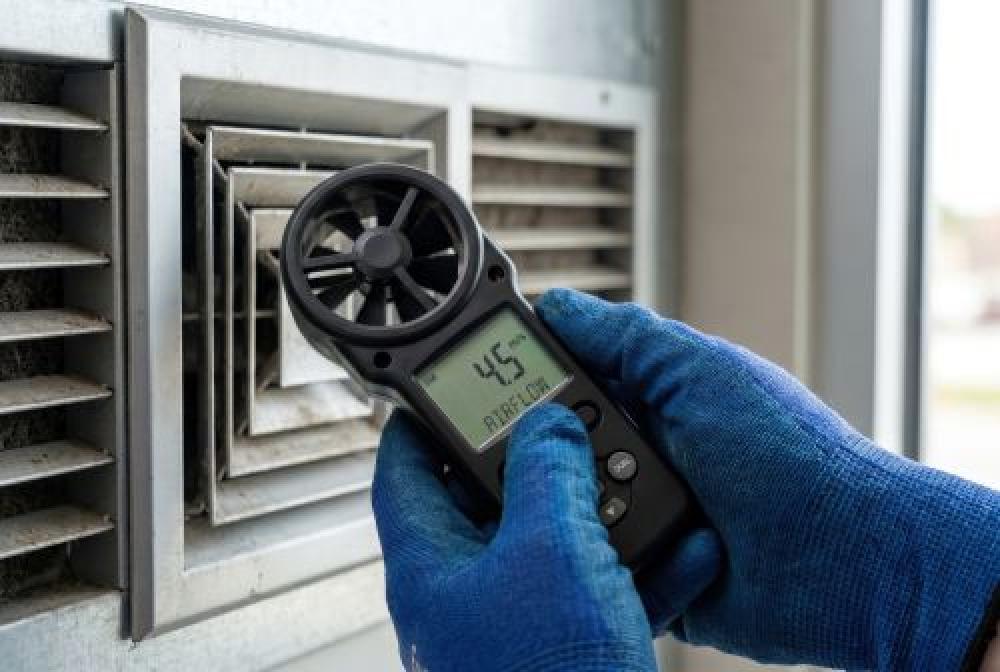
Across London, Essex, and Kent, we see the same pattern play out every summer and winter: a building’s HVAC system fails during peak demand, tenants complain, engineers scramble, and the bill arrives weeks later — larger than anyone planned for. The good news is that most of these breakdowns are entirely preventable.
Preventive maintenance is not just a tick-box exercise. It is a structured, schedule-driven programme that keeps your Mechanical Ventilation with Heat Recovery (MVHR), Fan Coil Units (FCUs), and Air Handling Units (AHUs) running at their designed performance — before problems develop, not after they surface.
A properly managed preventive plan typically includes:
Each visit generates a written service report, giving you a clear audit trail for building compliance and insurance purposes.
The Hidden Cost of Waiting Until Something Breaks
Emergency call-outs are expensive — not just financially, but operationally. A failed MVHR unit in a residential block during winter means cold, damp air, unhappy tenants, and a potential breach of your housing health and safety obligations. A broken FCU in a commercial office can trigger business continuity issues for your tenants.
Beyond the immediate repair cost, reactive maintenance carries compounding risks:
The maths is straightforward: a planned service contract costs a fraction of what an emergency breakdown will demand — in time, money, and reputational risk.
Building efficiency is no longer just a cost issue — it is a regulatory and reputational one. Under the UK’s net-zero commitments and tightening Energy Performance Certificate (EPC) requirements, properties that cannot demonstrate energy efficiency face genuine market disadvantage.
A well-maintained HVAC system directly contributes to your building’s energy performance:
At ARC Facilities, our engineers hold TrustMark accreditation as Retrofit Assessors and Energy Coordinators, meaning we can assess your current system performance, identify low-carbon improvement opportunities, and document outcomes for compliance reporting — all as part of an integrated service.
Not all HVAC service providers are equal. When evaluating contractors, facilities managers should be asking four key questions:
1. Are they certified and accredited? Look for CHAS and SSIP safety accreditation as a minimum — these certifications confirm that the contractor has passed independent health and safety assessments, which matters for your own compliance as a building owner or manager. IWFM membership signals a commitment to professional standards in facilities management.
2. Do they cover the full range of M&E systems? HVAC does not operate in isolation. Plumbing, electrical systems, and building fabric all intersect with your mechanical ventilation and cooling infrastructure. A single point of contact for all building services means faster diagnosis, fewer coordination gaps, and a cleaner audit trail.
3. Can they support your energy and compliance reporting? With EPC requirements tightening and pressure growing on commercial landlords to demonstrate progress toward net-zero targets, your maintenance partner should be able to provide energy surveys, performance documentation, and retrofit guidance — not just spanner-work.
4. What does their emergency response look like? Even the best preventive programme cannot eliminate all emergency incidents. Confirm that your contractor can respond quickly and has the backup capacity to do so, particularly during peak demand periods.
The right maintenance frequency depends on your equipment type, usage patterns, and lease obligations. As a general guide:
|
System |
Recommended Frequency |
|
MVHR units |
Bi-annual (twice per year) |
|
Fan Coil Units (FCUs) |
Quarterly |
|
Air Handling Units (AHUs) |
Annual |
|
General building fabric checks |
Annual or as required |
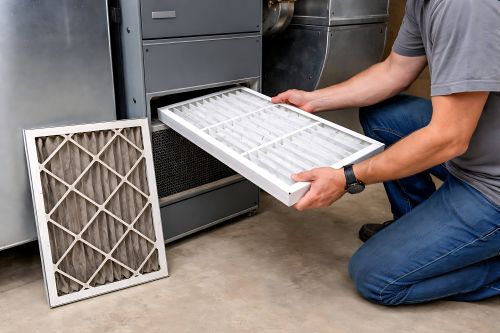
For residential blocks with a high number of units, scheduling can be batched to reduce disruption and engineer travel time — a practical consideration that good planning should account for.
It is also worth reviewing your maintenance obligations against any service charge schedules in your leases. In many commercial and residential arrangements, the cost of planned maintenance is recoverable — which changes the financial calculation significantly.
Preventive HVAC maintenance is not a luxury reserved for large estates or well-funded organisations. For properties of any size, the cost of a planned service contract will almost always be lower than the combined cost of emergency repairs, lost efficiency, and compliance exposure over the same period.
ARC Facilities provides maintenance contracts for MVHR, FCU, and AHU systems across London, Essex, and Kent. As a CHAS, SSIP, IWFM, and TrustMark-accredited contractor, we give you the documentation, accountability, and technical expertise your building needs — all from a single point of contact.
Ready to move from reactive to planned? Contact the ARC Facilities team to discuss a maintenance schedule tailored to your property portfolio, or call us on +44 20 3673 8895.
ARC Facilities is a green-focused Building Services, Facilities Management, and Renewable Energy company based in London. We hold CHAS, SSIP, IWFM, TrustMark, and ECMK accreditation and serve commercial and residential clients across London, Essex, and Kent.